Quick Email Now!

-
-
Company Location
Morris, IL, Yorkville, IL,
Plainfield, IL -
Phone Number
(815) 941-3882
Quick Email Now!
Company Location
Phone Number
Plainfield, IL
Morris, IL
Ottawa, IL
Yorkville, IL



When your mental health begins affecting your sleep, relationships, concentration, or ability to get through the day, knowing where to turn can feel overwhelming. You might have been managing symptoms for years, or perhaps something has changed recently and you're starting to wonder whether additional support could help.
At Crossroads Counseling Services, our psychiatric services focus on understanding what you're experiencing before deciding what treatment might look like. Through psychiatric evaluations, medication management, and coordinated mental health care, we help individuals explore their options and find an approach that fits their needs.
Serving Yorkville, Morris, Plainfield, and surrounding Illinois communities, our team provides a welcoming place to ask questions, discuss concerns, and begin moving toward better mental health.
Good psychiatric care involves more than identifying symptoms or prescribing medication. It means taking the time to understand how you're feeling, what you've been through, and how your mental health affects your everyday life.
At Crossroads Counseling Services, our psychiatric providers consider your medical history, emotional experiences, previous treatment, and personal goals before recommending care. The American Psychiatric Association explains that psychiatric treatment may include psychotherapy, medication, and other interventions depending on a person's needs.
When choosing a psychiatric care provider, look for qualified professionals who offer personalized treatment, medication management, and compassionate, ongoing support. The right provider should take time to understand your mental health needs, explain your treatment options, and work with you to develop a care plan that fits your goals.
Care from a board-certified psychiatrist and psychiatric mental health nurse practitioners.
Recommendations based on your symptoms, medical history, and individual circumstances.
Thoughtful prescribing, monitoring, and adjustments when medication is appropriate.
Opportunities to coordinate psychiatric treatment with counseling and other mental health services.
In-person and telehealth options depending on provider availability and clinical needs.
A comfortable environment where your concerns are heard and your questions are welcomed.
Whether you're considering psychiatric care for the first time or looking for a different approach to managing ongoing symptoms, we're here to help you understand your options.
Psychiatric treatment can look different from one person to the next. Some individuals need help understanding symptoms they've never discussed with a provider. Others have an established diagnosis and want to review medications or explore additional treatment options.
Our services are designed to support both.
People seek psychiatric services for many reasons. Some are experiencing symptoms that have gradually become harder to manage. Others want to better understand an existing diagnosis or find out whether their current treatment is still appropriate.
Our psychiatric providers evaluate and treat a range of mental health concerns.
Choosing a psychiatric provider is a personal decision. You want someone who understands the clinical side of mental health treatment while also recognizing that your experiences, concerns, and goals matter.
Crossroads Counseling Services works with experienced psychiatric professionals who emphasize individualized care and thoughtful treatment planning.
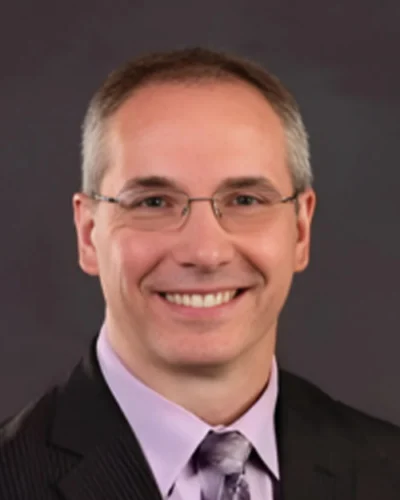
Dr. James V. Dyers is a board-certified general psychiatrist who works with adolescents and adults experiencing a range of mental health concerns.
His approach emphasizes understanding each patient's symptoms, history, and treatment needs before recommending care.
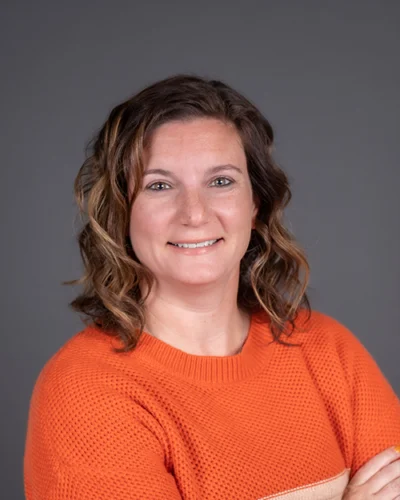
Victoria Brueggert provides psychiatric evaluations and medication management, with clinical areas of focus that include mood disorders, anxiety, ADHD, trauma, perinatal mental health, and child and adolescent psychiatric care.
Her work emphasizes individualized treatment and collaborative decision-making.
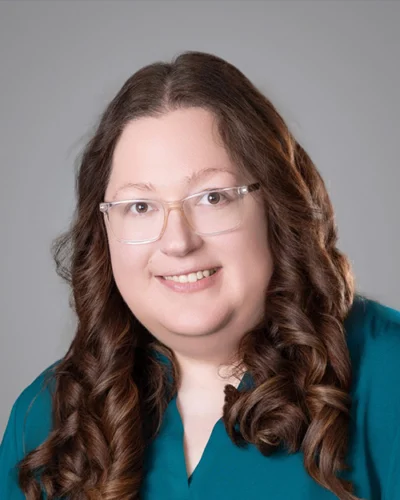
Beth Gomez provides psychiatric medication management and psychotherapy services as part of Crossroads' broader mental health care team.
Her work supports individuals seeking a personalized approach to managing psychiatric symptoms and improving emotional well-being.
If you've never met with a psychiatric provider before, you may be unsure what the appointment will involve.
You don't need to arrive with a diagnosis, know which medication you want, or have everything figured out beforehand.
The first appointment is an opportunity to talk through your concerns and begin understanding what kind of support may be useful.
Access to mental health care matters, especially when you're balancing work, family responsibilities, school, or ongoing symptoms.
Crossroads Counseling Services supports individuals and families throughout Yorkville, Morris, Plainfield, and surrounding Illinois communities.
Cost and insurance coverage are common concerns when seeking mental health treatment.
Crossroads Counseling Services works with a range of insurance plans, although benefits and participation may vary by provider and service.
Before scheduling, our team can help you understand available options and the process for verifying coverage.
You can also review our insurance information for additional details.
Sometimes the hardest part of seeking psychiatric care is deciding whether what you're experiencing is serious enough to ask for help.
You may be managing symptoms that have gradually become more disruptive, wondering whether medication could help, or simply looking for someone who can provide a clearer understanding of what's happening.
You don't have to make those decisions on your own.
At Crossroads Counseling Services, our psychiatric providers offer thoughtful evaluations, medication management, and coordinated mental health care for individuals throughout Yorkville, Morris, Plainfield, and surrounding Illinois communities.
We're here to answer your questions and help you explore an approach that feels appropriate for your needs.
Contact Us or call (815) 941-3882 to learn more about our psychiatric services and available appointments.
A psychiatrist is a medical doctor who can diagnose mental health conditions and prescribe medication. Therapists provide psychotherapy to help people address emotional, behavioral, and relationship concerns.
Some psychiatrists also provide psychotherapy. Depending on your needs, working with both types of professionals may be helpful.
No. A psychiatric evaluation doesn't automatically mean medication will be prescribed.
Your provider will consider your symptoms, medical history, preferences, and treatment goals before discussing recommendations. Medication may be appropriate for some individuals, while others may benefit from psychotherapy or additional assessment.
Yes. Psychiatric providers commonly evaluate and treat anxiety disorders, depression, and related mental health conditions.
Treatment may involve medication management, psychotherapy, or a combination of approaches depending on symptom severity and individual circumstances.
Appointment frequency varies depending on your medication, symptoms, treatment response, and clinical needs.
Patients starting a new medication or adjusting an existing prescription may need more frequent follow-up appointments. Once treatment is stable, visits may be scheduled less frequently.
The duration of psychiatric treatment varies depending on the individual's condition, symptoms, and progress. Some people improve within a few weeks, while others may need ongoing treatment and regular follow-ups for long-term support.
Telehealth psychiatric appointments may be available for eligible patients in Illinois. Availability depends on the provider, type of care, and applicable prescribing requirements. Our team can help you determine whether a virtual appointment is appropriate for your needs.
A trustworthy psychiatric practice offers care from qualified, experienced providers who prioritize patient safety, confidentiality, and personalized treatment. Look for a team that listens to your concerns, clearly explains your options, and supports your long-term mental health goals.
During your first psychiatric appointment, your provider will discuss your symptoms, medical history, current medications, and mental health concerns. This initial evaluation helps determine your needs and develop a personalized treatment plan, which may include medication management or additional mental health services.
You can schedule a psychiatric appointment by contacting Crossroads directly or submitting an appointment request through our website. Our team can help you explore available providers, discuss appointment options, and take the next step toward receiving personalized psychiatric care.
A psychiatrist specializes in evaluating mental health conditions and prescribing medication when appropriate, while a therapist focuses on counseling and developing coping strategies. If you're experiencing persistent symptoms, significant changes in mood, or difficulty managing daily life, a psychiatric evaluation can help determine which type of care best meets your needs.